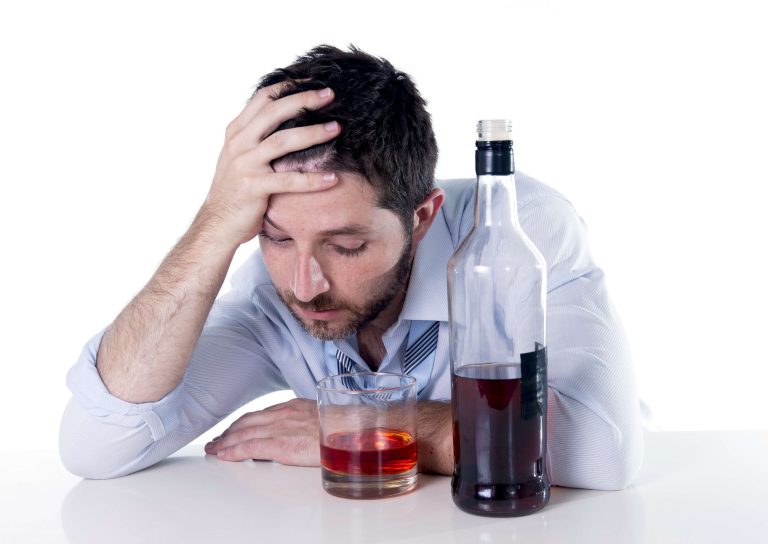
However, excessive alcohol consumption can lead to a variety of negative consequences, both short- and long-term. In summary, the signs of alcohol-influenced behavior and mental states can be identified through behavioral cues such as mood swings, risky actions, and cognitive impairments. Recognizing these signs helps in timely intervention and promotes better understanding of alcohol’s complex effects on emotional health and societal interactions.
- To find affordable care, explore insurance options, government programs, and financial assistance.
- When you’re tipsy, you experience mild impairment of coordination and judgment.
- You will also have a richer experience with your friends as you will be able to indulge in inspiring conversations and wear your dancing shoes to twirl to your favorite tunes.
- If you choose to consume either substance, it’s important to do so responsibly and be aware of the potential risks.
- Blood Alcohol Concentration (BAC) is a measure of the amount of alcohol present in a person’s bloodstream.
One of the most significant dangers of excessive intoxication is the increased risk of accidents and injuries. Alcohol impairs motor skills, coordination, and reaction time, making it more difficult to perform tasks safely. This impairment can lead to falls, car accidents, burns, and other accidents that can result in severe injuries or even death. It’s important to note that the risk of accidents and injuries escalates as blood alcohol concentration (BAC) rises.
These physical signs can be indicators of intoxication and may vary depending on the individual and the substances consumed. Understanding the impact of being high or drunk on social interactions is crucial for individuals seeking treatment and support. By recognizing the signs and symptoms of these states, individuals can make informed decisions and implement strategies for healthier relationships and interactions. In addition to physical health risks, alcohol misuse also has social implications, often leading to difficulties in personal relationships and work environments. Chronic alcohol consumption can impair judgment and lead to risky behaviors, which may result in accidents or legal issues. Moreover, the stigma surrounding alcohol dependence can further isolate individuals, making it challenging for them to seek help or support from friends and family.
Duration of Effects
Intoxication can occur through the consumption of alcohol or cannabis, each having distinct effects on the body and mind. Understanding the differences between being drunk and being high is essential in comprehending their unique characteristics. Both being buzzed and being drunk carry potential health risks, albeit to different degrees. Alcohol affects various bodily systems and can have both short-term and long-term consequences for health. The severity of these symptoms can increase as the level of intoxication rises. It is important to recognize the signs of being drunk and take appropriate measures to ensure personal safety and the safety of others.
Addiction Treatment
It is a state of being in which a person’s judgment and physical coordination are impaired. This can lead to physical and psychological impairments, such as difficulty walking, slurred speech, and poor decision-making. Drinking in moderation allows you to experience the social and relaxing benefits of alcohol consumption without crossing into the dangerous territory of drunkenness.
Long-Term Health Risks
At a BAC of 0.05 or less, the individual is unlikely to appear intoxicated. Depending on the person, judgment and reaction time may be mildly impaired. One drink will typically result in a BAC beneath this threshold for both men and women. Older people, people who have little experience drinking, females, and smaller people may have a lower tolerance to alcohol than others. Taking drugs before drinking and/or not eating can also increase the effects of alcohol https://ecosober.com/ on the body. Alcohol impairs coordination, balance, and judgment, increasing the risk of injuries.
ADDICTIONS WE TREAT
Understanding what they are is a first step to deciding whether you’re ready to seek help. On the other hand, there is no quick standardized number to check to see if someone is under the influence of drugs. The only true way to determine if someone has been taking drugs is to get lab tests done, and they can only tell you of the presence of the substance, not how much was taken. It can be used on-site like a breathalyzer, but it is not as informative. While it’s rare to die from consuming too much marijuana, it is possible.
Additionally, alcohol-related offenses like public intoxication, domestic violence, and violations related to alcohol sales carry their own legal penalties. For example, in many regions, the legal blood alcohol concentration (BAC) limit for driving is set at 0.08%. Exceeding this limit can lead to charges, license disqualification, and mandatory rehabilitation. The legal implications of alcohol intoxication encompass a variety of consequences depending on the context and jurisdiction.
Long-term Health Risks of Cannabis
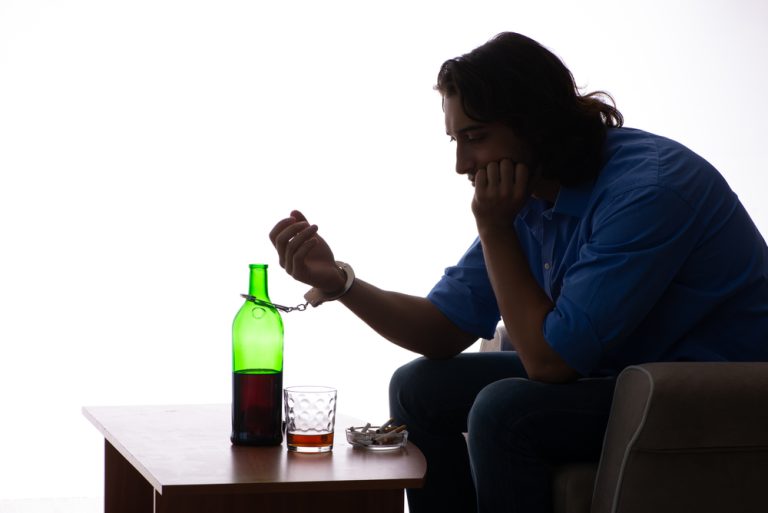
Long-term excessive drinking can lead to chronic health problems such as liver disease, cardiovascular issues, and mental health disorders. Regular heavy drinking can also contribute to the development of alcohol dependence and addiction. On top of the emotional rollercoaster, alcohol also sabotages your sleep. It might feel like a nightcap helps you doze off faster, but the quality of that sleep takes a major hit. Alcohol disrupts your natural sleep cycle, preventing you from getting the deep, restorative rest your body and brain need to recharge. Instead, you’ll likely experience a more fragmented night, waking up more often than usual.

Some individuals may be more sensitive to the effects of alcohol, experiencing a higher level of intoxication even with smaller amounts compared to others. As the effects of alcohol become more pronounced, individuals should avoid engaging in activities that require focus, coordination, or alertness. Driving or operating machinery is particularly dangerous at this level of intoxication. At this level, individuals may feel more relaxed, talkative, and experience a sense of well-being. However, it’s important to note that even mild intoxication can impair judgment and coordination, making it unsafe to engage in activities such as driving.
The frequency of outpatient rehab sessions typically ranges from 1 to 3 days per week, tailored to an individual’s needs, treatment plan, and progress for effective recovery. It is worth noting that the relationship between marijuana use and accidents is still a subject of debate and inconsistent findings. Some studies show no increased risk, while others indicate an increased risk.
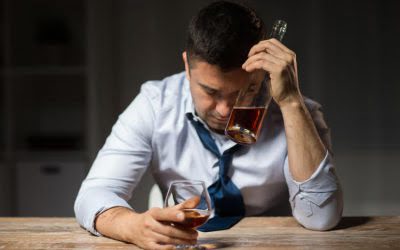
Excessive drinking can lead to alcohol poisoning, a serious and potentially life-threatening condition. Symptoms of alcohol poisoning include confusion, vomiting, seizures, slow breathing, and unconsciousness. One of the initial emotional effects of being drunk is an increase in confidence and sociability. Alcohol stimulates the release of neurotransmitters like dopamine and serotonin, which contribute to feelings of euphoria and reduced social anxiety. This can make individuals feel more outgoing and willing to drug addiction engage in conversations and activities they might normally avoid.
- The immediate symptoms of intoxication encompass slurred speech, impaired coordination, and sleep disturbances.
- A woman will feel tipsy after consuming 1 to 2 alcoholic drinks in an hour.
- This is part of our ongoing commitment to ensure FHE Health is trusted as a leader in mental health and addiction care.
- One of the most popular methods is by using herbal supplements or extracts such as kratom, kava, valerian root, and others.

He is well-versed in traditional and innovative therapies, including cognitive-behavioral therapy, motivational interviewing, and mindfulness-based interventions. Herbal teas can also be used to create a feeling of intoxication without the use of alcohol. Herbal teas such as chamomile, lavender, and others have been known to produce a feeling of relaxation and intoxication without the dangers of consuming alcohol. The feeling of drunkenness without alcohol is achievable, and it’s not as hard as you might think. There are many methods and methods that you can use to get that feeling of being drunk without having to consume alcohol.
Being drunk can feel good initially because alcohol triggers the release of feel-good endorphins and increases calming neurotransmitters like GABA in the brain. This creates temporary feelings of pleasure, reduced anxiety, and boosted mood, leading many to seek this sensation. As tolerance increases, it can become increasingly difficult to reach this euphoric state with the same amount of alcohol, prompting individuals to drink more heavily. This highlights why does being drunk feel good for many, and how that sensation can drive problematic use.